
Building Blocks Cars
for Adults
The 2026 Collector's Guide
There is a specific kind of satisfaction that no screen can replicate — the moment a suspension arm clicks into its subframe, the geometry resolves, and you understand, physically, why the engineers made that decision. Building blocks cars for adults are not a childhood throwback. They are a precision hobby built around mechanical literacy, tactile focus, and the slow, rewarding process of making something real with your hands. If you have ever stood in a parking garage admiring a stanced coupe at 11pm, or spent an afternoon watching dyno footage for cars you will never own, this guide was written for you.
What Are Building Blocks Cars for Adults?
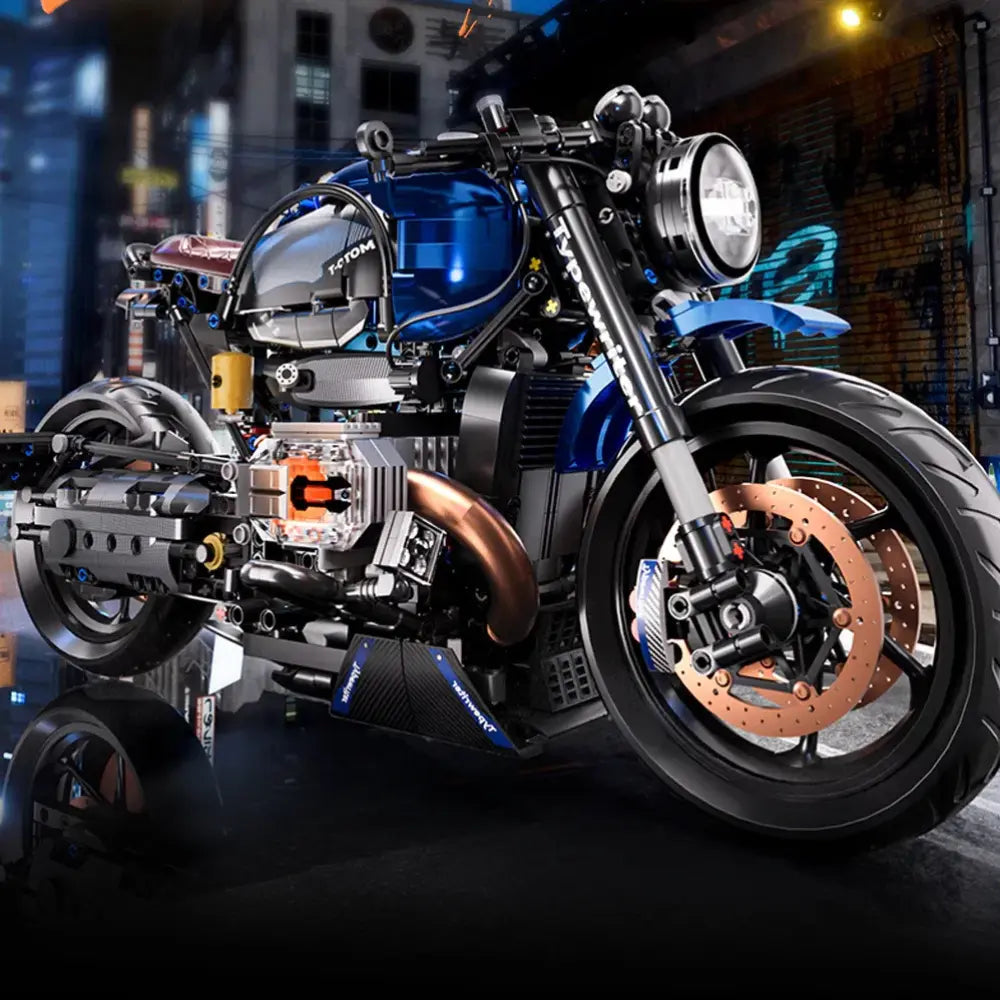
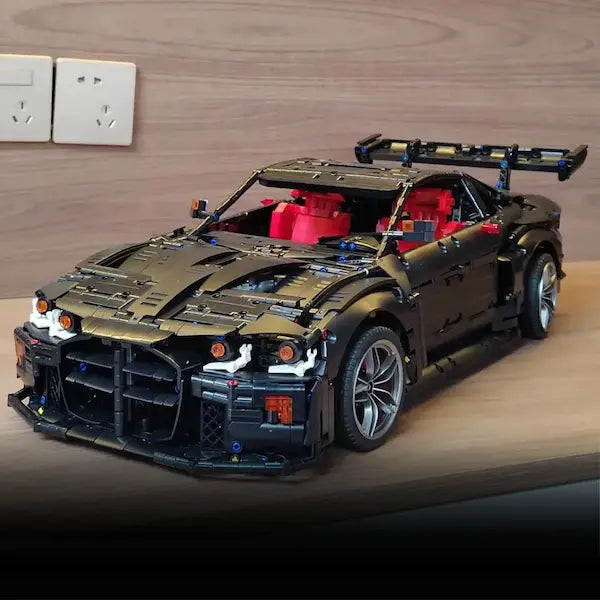
A premium building blocks car kit for adults is a scale engineering model — typically between 500 and 6,600 pieces — built from interlocking ABS plastic bricks precision-molded to allow functional mechanical systems: working suspensions, rotating crankshafts, articulated steering, and in RC variants, live drivetrain actuation.
Unlike mass-market construction toys, adult automobile blocks kits are designed around authenticity of proportion, complexity of assembly, and the quality of the finished display object. The result sits on your shelf at 1:8 or 1:14 scale and holds its own against any collector piece in the room.
The hobby has grown sharply in the last few years. In an era of constant digital input, the focused, sequential nature of assembling a car block kit delivers something rare: genuine cognitive rest. Psychologists call it a flow state — the complete absorption in a task complex enough to demand full attention but structured enough to produce steady progress. Builders report finishing a three-hour session feeling more restored than they did before sitting down.
How to Choose Your First Automobile Blocks Kit
The most common mistake new builders make is reaching for the largest, most complex kit available and abandoning it three evenings in. The right entry point depends on two factors: your patience for ambiguity during assembly, and the time you can commit per session.
5–8 hours across 2–3 sessions. Working steering rack, visible engine block. Manageable for first-time builders.
Where 1/8 scale model cars begin. Suspension geometry, sequenced subframe builds. JDM building blocks territory.
15–20h+ projects. Dedicated workspace required. The payoff is a 1:6 or 1:8 collector piece that commands any room.
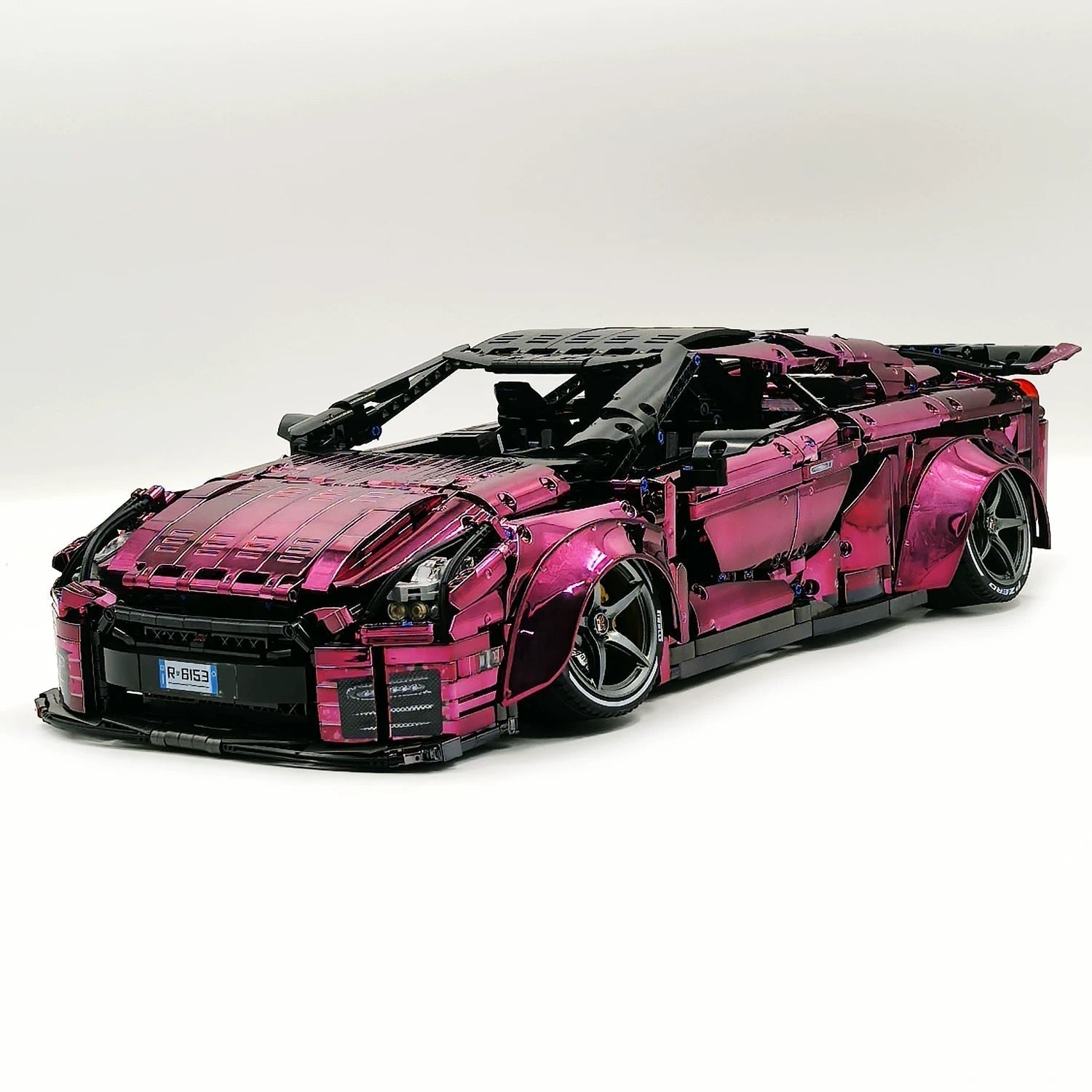
The 1,000 to 2,500 piece range is where builds begin to develop genuine engineering complexity. Suspension geometry becomes a real build step. Subframe assemblies require sequencing — you cannot add the body before the drivetrain is verified in position. For fans of JDM building blocks, this is where the R34 GTR and the RX7 live.
Style matters as much as complexity. JDM building blocks kits skew toward authentic camber, period-correct body lines, and the low, wide stance that defines street import culture. Supercar kits emphasize aerodynamic surface accuracy. Choose the culture first, then the complexity tier.
The Engineering Behind the Bricks: What to Expect
Every serious car block kit is, at its core, an exercise in mechanical sequencing. The assembly order matters because the car is built the same way a real car is built: chassis first, then powertrain, then bodywork. Deviate from the sequence and panels will not align, doors will not clear their frames, and suspension travel will bind. This is not a flaw in the kit design. It is what makes it interesting.
"Builders report finishing a three-hour session feeling more restored than they did before sitting down."
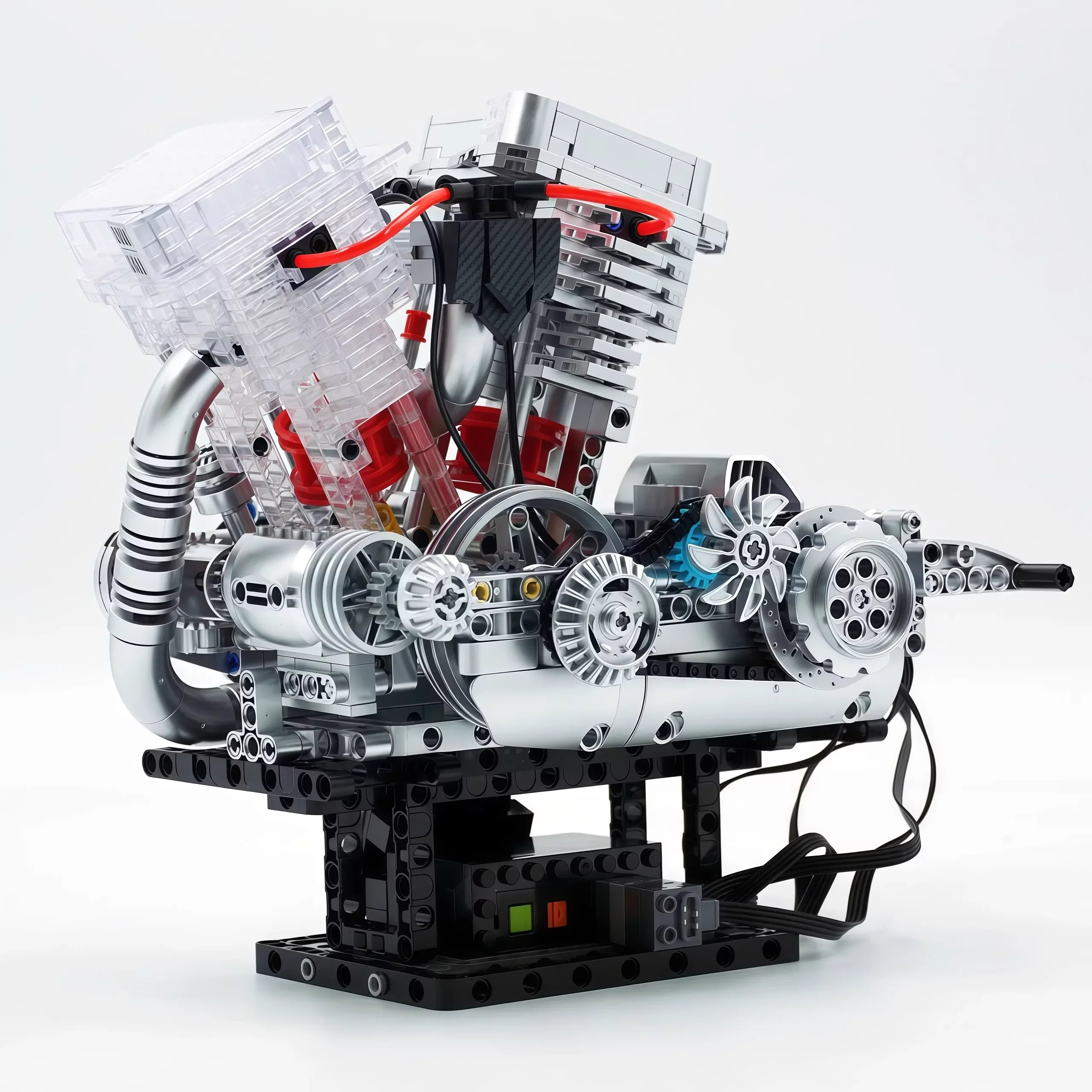
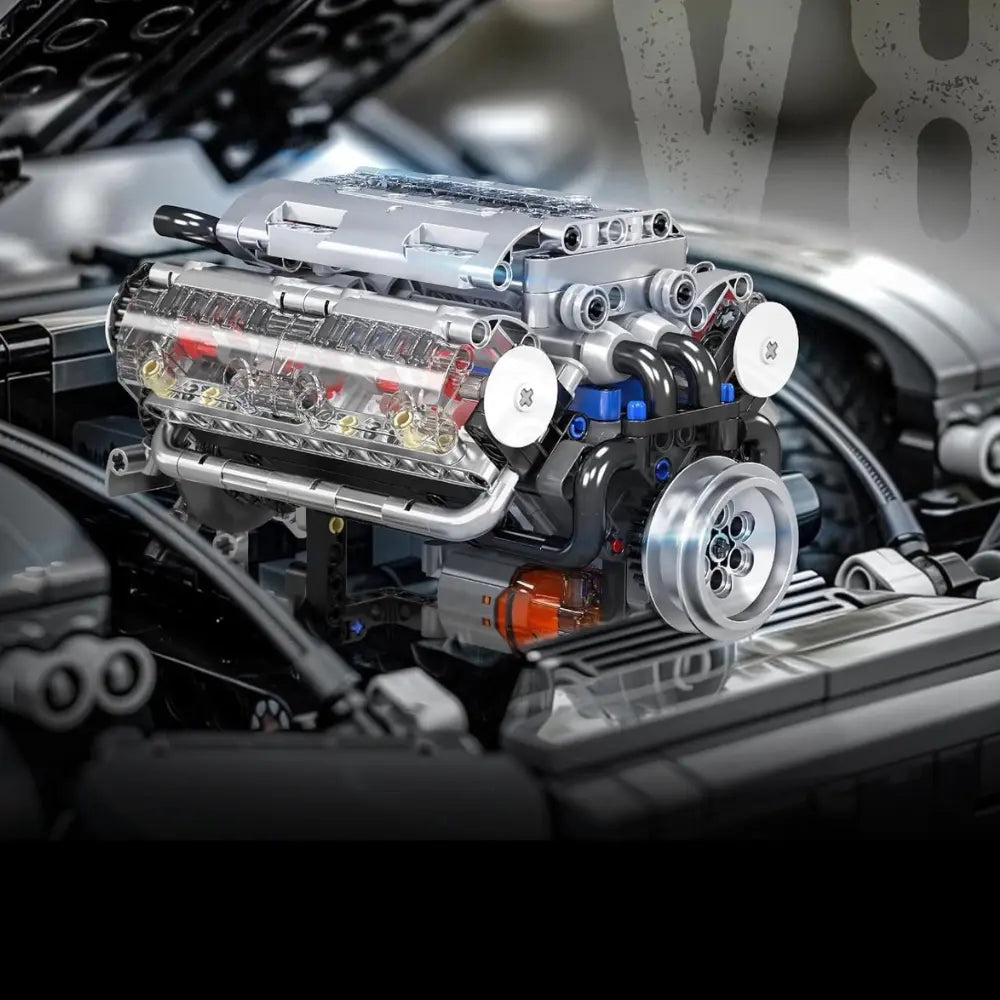
Functional piston assemblies are common across the mid and upper range of the Power Brickz catalogue. As you rotate the output shaft, the pistons cycle through their stroke in firing-order sequence — the same 1-3-4-2 pattern that governs a real four-cylinder, replicated in ABS at 1:8 scale. Working gearbox mechanisms, bevel gear differentials, and Ackermann-geometry steering racks appear regularly in builds above 2,000 pieces.
Time is the resource that surprises new builders most. A 1,187-piece kit is not a weekend afternoon. It is four to six sessions of focused assembly. Experienced builders describe the mid-build phase — when the chassis is complete and the body panels begin to define the silhouette — as the most satisfying part of any build.
Why Power Brickz Is the Gold Standard for Builders
The quality gap between premium and generic automobile blocks is felt in the hand before it is seen on the shelf. Power Brickz bricks are molded to dimensional tolerances that produce consistent clutch force across every connection — the resistance you feel when two plates engage is the same on piece 12 as it is on piece 3,383.
Instruction manual quality is the second differentiator that experienced builders cite consistently. Every Power Brickz manual sequences the build by subassembly, with part verification steps built into the process. You do not discover a misaligned differential at step 280.
For collectors interested in the stanced cars aesthetic — the slammed ride height, the stretched tires, the aggressive fitment that makes a car look like it belongs on a touge road at midnight — Power Brickz JDM kits reproduce those proportions at 1:8 scale with a fidelity that photographs well and holds up to close inspection.
Top Picks: The Best Car Block Kits This Year
Three builds, three profiles. Each one represents the strongest option at its complexity level across the current Power Brickz catalogue.

The ideal entry point for builders drawn to endurance racing culture. The SC63 V8 bodywork — low, wide, aerodynamically sculpted — translates into brick with the same front splitter geometry and rear diffuser relationship that defines the real car on track. Crankshaft dynamics and valve timing logic are built into the assembly sequence. At 32 cm long and 1,187 pieces, this is a serious automobile block kit that completes in a weekend and earns its place on any shelf.

The flagship of the Power Brickz JDM building blocks kits range. At 57 cm and 1:8 scale, it captures the twin-turbo RB26 legacy of the Godzilla with dimensional accuracy that makes R34 enthusiasts stop and look twice. The stance is correct. The proportions are correct. The perfect answer for anyone who has searched for stanced cars for sale and done the math on insurance.

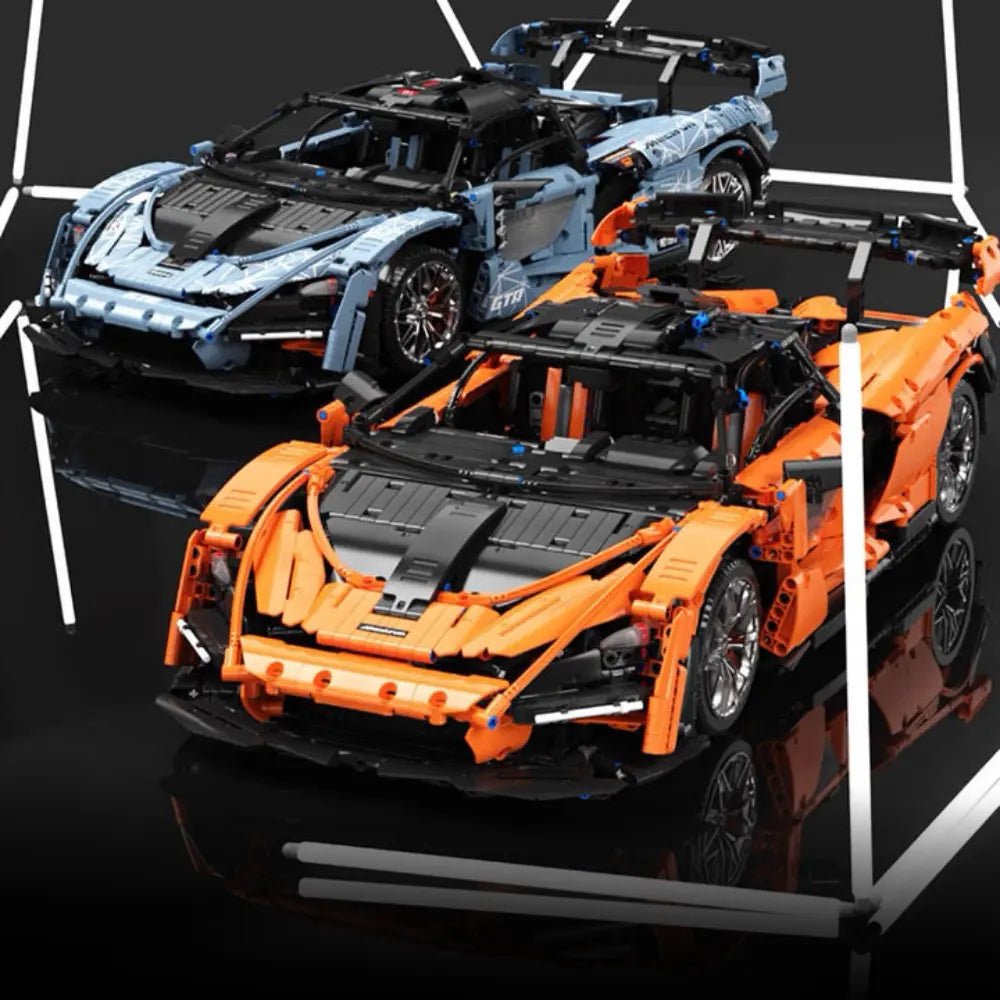
6,628 pieces, 68 cm of finished length. V12 firing order anatomy visible and functional. Aerodynamic surfaces dimensionally accurate at 1:6 scale — front splitter, side skirts, rear diffuser. The result justifies everything.