Picture the scene: a parking garage at 1am, the concrete stained with oil and ambition, and a stanced JDM coupe sitting so low the front lip grazes the ground at a walking pace. The wheel arch gap is nonexistent. The offset is aggressive — millimeters of poke, rim lip flush with the fender. It looks like it was drawn before it was built. Now picture the reality of actually buying that car. The inspection failure. The insurance quote. The specialized trailer to transport it anywhere without scraping the diffuser on a highway ramp. Searching for stanced cars for sale is, in practice, a lesson in why some things are better admired than owned — unless you know where to look.
What Defines the "Stance" Culture?
Stance culture is built on one principle: form over function. The car exists to be looked at, not to lap circuits. Every mechanical decision — the coilovers, the offset, the camber — serves the visual, not the mechanical. The result is a car that is often undriveable on public roads, and perfect in every other way.
The foundation of the stanced aesthetic is negative camber — the top of the tire tilted inward, creating the aggressive "leaning in" visual that defines the look from the front or rear. In practice, extreme negative camber accelerates tire wear and reduces cornering grip. The stanced community is entirely aware of this. It is not a compromise; it is a statement that driving dynamics are not the point.
The second axis of debate in the stance world is static vs air ride. Static builds use fixed coilovers set at a permanent ride height — the car is always that low, whether it is moving or parked. Air ride allows the suspension to be raised for driving and dropped for shows, solving the practicality problem at significant cost. The purists maintain that static is the only honest answer. Air ride owners point out that their front lips are not scraped to nothing. Both camps are right, and neither is going to agree.
Fitment is the third obsession — the relationship between the wheel and the wheel arch. Flush means the rim lip sits exactly level with the outer edge of the fender. Poke means the wheel extends beyond the fender — aggressive, controversial, and very visible. Tuck means the wheel sits inside the fender line. For stanced JDM culture, flush is the gold standard.
The Reality Check: Buying a Real Stanced Car vs. Building One
Let us run the actual numbers. A clean R35 GTR on the used market starts around $80,000 for a low-mileage example. Add a proper air ride kit from a reputable supplier and you are looking at another $8,000 to $12,000 in parts, plus labor. Forged aftermarket wheels in the offset you actually want: $3,000 to $5,000. Wider fenders to accommodate the fitment without legal issues: another $2,000 to $4,000 for quality widebody work. You are now at $95,000 before the car has turned a wheel, and you have created something that will fail the annual safety inspection in most countries.
"The car exists to be looked at, not to lap circuits. Every mechanical decision serves the visual."
| Category | Real stanced car | Power Brickz 1:8 build |
|---|---|---|
| Entry cost | $20,000 – $95,000+ | From $154.99 |
| Street legal | Questionable at best | 100% — shelf certified |
| Daily drivable | No — speed bumps are enemies | Yes — zero ground clearance issues |
| Fitment precision | Requires coilovers + custom offset | Engineered block-by-block at 1:8 |
| Transport | Flatbed trailer required | Delivered to your door, zero scratches |
| Depreciation | Immediate on modification | Collector value, permanent display |
| Inspection failure | Near-certain with extreme camber | Not applicable |
The math is not even close. The Power Brickz alternative delivers the wheel arch relationship, the flush fitment aesthetic, and the visual impact of a stanced build — without a single one of the real-world constraints that make owning the genuine article such a complicated proposition.
Engineering the Perfect Fitment: How Power Brickz Gets It Right
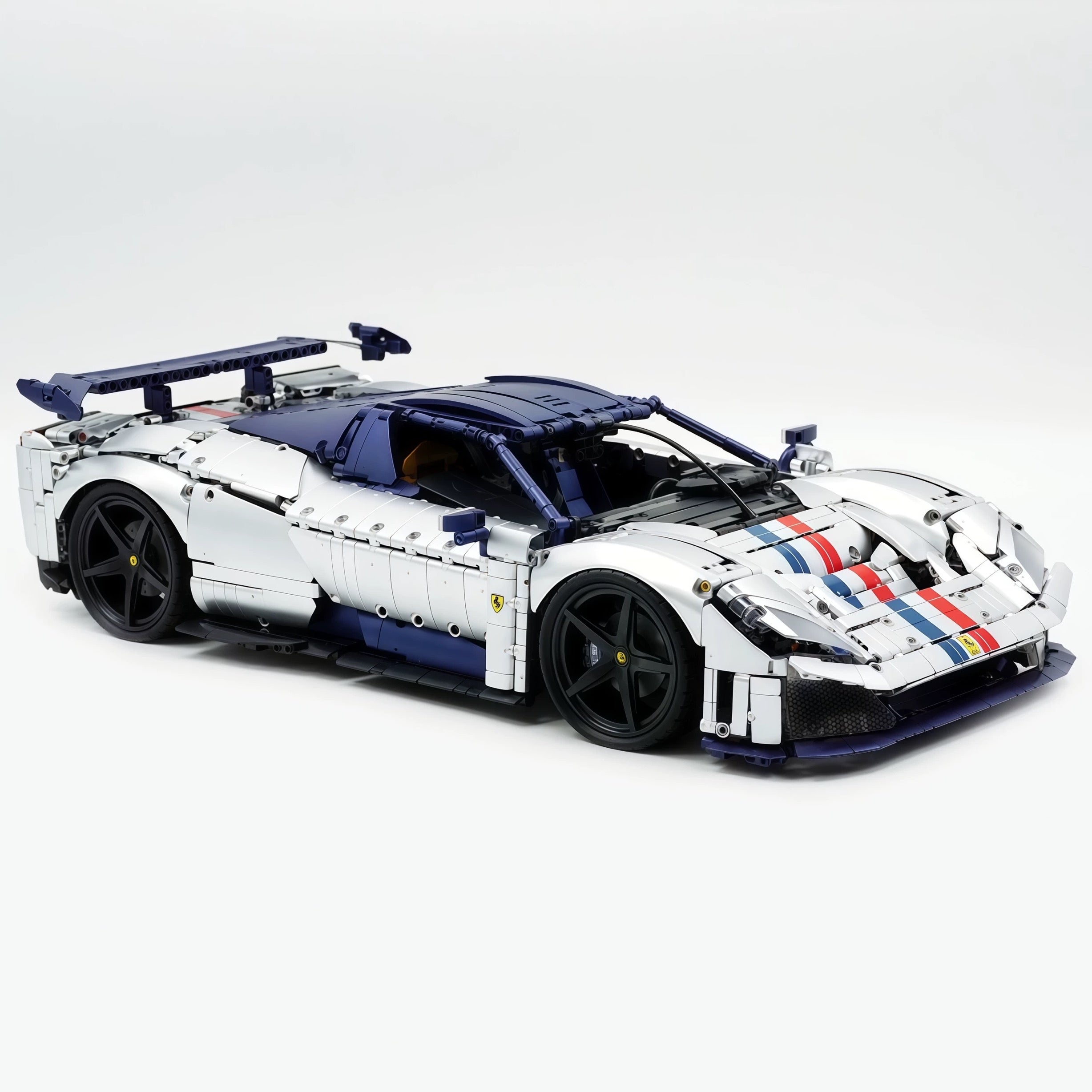
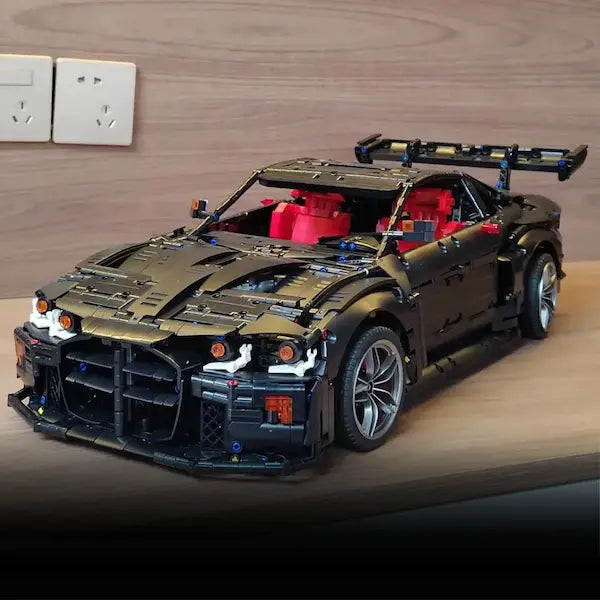
The legitimate question is whether a building blocks kit can actually reproduce what makes a stanced car look correct. The answer depends entirely on the quality of the engineering behind the model. A generic kit uses generic proportions — the wheel-to-fender gap is an afterthought, the ride height is whatever was easiest to replicate in ABS. A Power Brickz stanced kit is designed around the specific silhouette of the real car, at 1:8 scale, with the stance geometry built into the chassis from the first assembly step.
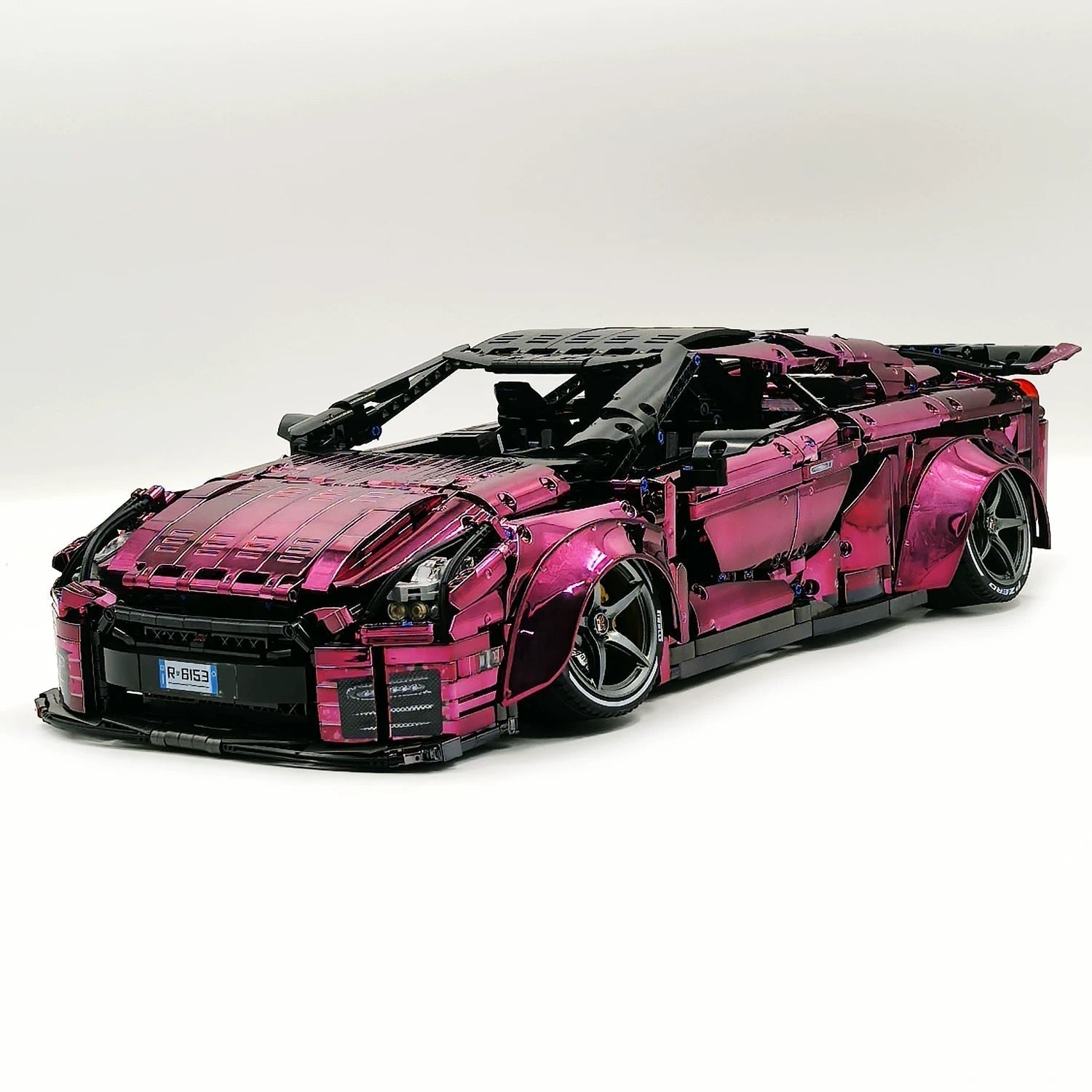
On the R35 GTR stanced kit, the rear quarter panel relationship is the centerpiece. The wide-body flares are present in the body geometry — not as an add-on sticker but as a structural part of the body assembly. The wheel sits at the correct offset relative to the arch lip. The front splitter drops to within scale millimeters of the ground. At 52 cm long and 23 cm wide, the proportions are wide enough that the 1:8 scale stance reads correctly from every angle.
The Supra 2JZ kit takes a different approach — widebody flares built into the side profile give the aggressive fender-to-wheel relationship that defines the stanced Supra look, while the 49 cm length creates a cab-rearward proportion that is immediately recognizable. These are not approximate representations. They are the reason the stanced collector community takes JDM building blocks kits seriously as display objects rather than toys.
Top Picks: The Best Stanced Cars for Sale on Your Shelf
Three builds. Three different expressions of the stanced aesthetic. All engineered to 1:8 scale, all in stock, all delivering the fitment goals that the real cars take years and five-figure budgets to achieve.

The widebody GTR in full flush fitment — the rear quarter panel flares are structural, not decorative. Twin-turbo VR38 geometry built into the assembly sequence. At 52 cm long and 23 cm wide, the stance reads correctly from every angle. Available static or remote-controlled.

The cab-rearward long-hood proportion that defines the Supra silhouette is here at 1:8 — widebody flares integrated into the body assembly, aggressive offset wheel geometry, front splitter at ground level. The 2JZ inline-six crankshaft dynamics are built into the engine assembly. Static and RC versions available.

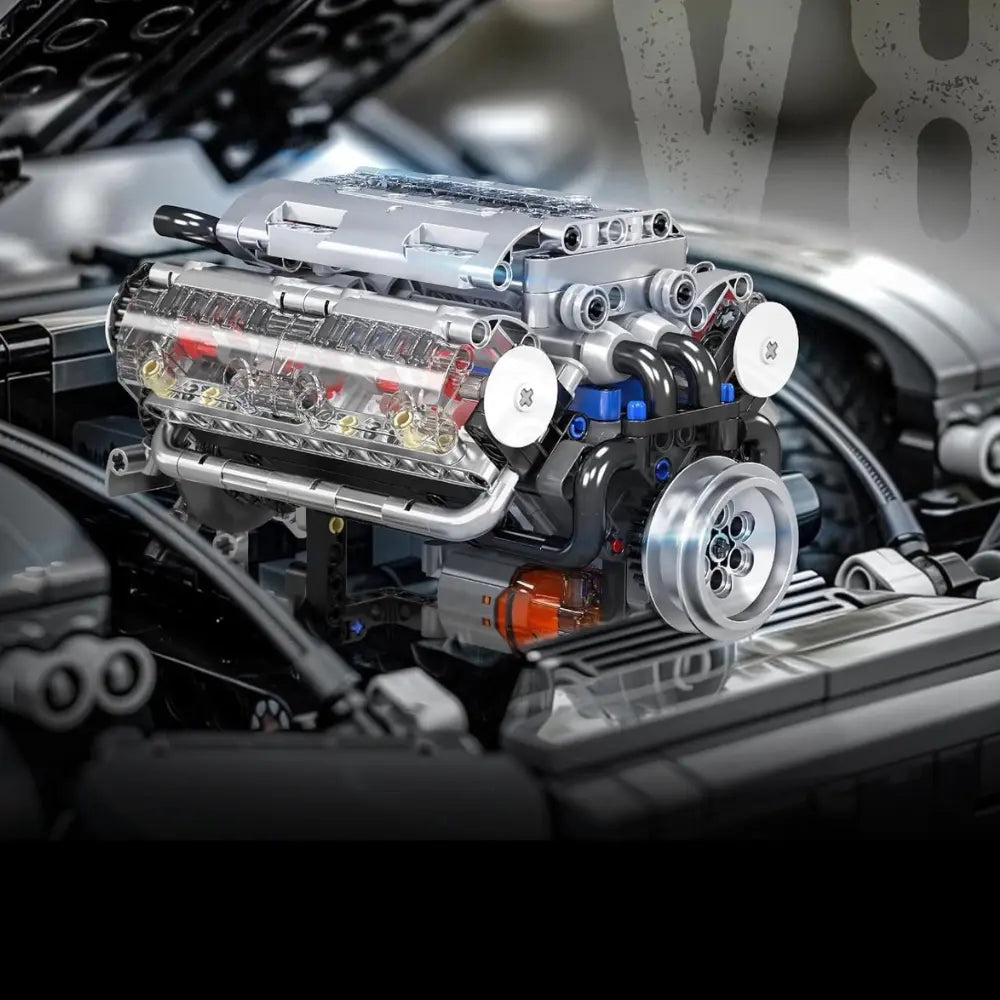
The widest build in this selection at 33 cm across — the C63 V8 sedan stance is built around an aggressive offset that pushes the wheel to the very edge of the arch. Crankshaft dynamics and valve timing geometry are reproduced in the V8 engine assembly. The most imposing footprint of the three.
Browse the full range of stanced car building blocks or explore every model in the JDM building blocks kits collection.